
Florida has a reputation for being expensive. Miami, the Keys, Naples, Palm Beach, those places will absolutely drain a bank account. But Florida's a big state. There are whole cities where you can buy a decent three-bedroom for under $275,000, pay no state income tax, and live near the beach.
If you're thinking about moving to Florida or buying your first home here, the cheapest place to live in Florida isn't in South Florida or the ritzy Gulf Coast towns. It's inland, in the Panhandle, and in the smaller metros most transplants don't think about until someone tells them. There are cheap homes in Florida, you just have to know where to look.
Here's a ranked list of the most affordable places to live in Florida right now, with actual numbers and honest takes on what you're getting in each one.
1. Ocala
Median home price: around $265,000
Ocala is horse country, about 90 minutes north of Orlando and 80 minutes south of Gainesville. It's not flashy. It's not beachy. What it is: affordable, growing, and surprisingly livable for people who want space.
You can get a three-bedroom, two-bath home with a yard for $230,000 to $280,000. Property taxes are moderate. Cost of living runs about 10 percent below the national average. Downtown has been slowly coming back, and there's a real food scene forming.
The catch: you're inland. No beach. Hot summers. If you need ocean proximity, Ocala isn't it.
2. Palm Bay
Median home price: around $280,000
Palm Bay sits on the Space Coast about 30 minutes south of the Kennedy Space Center. For a home near the Atlantic, it's one of the cheaper Florida markets.
Three-bedroom homes in decent neighborhoods go for $260,000 to $310,000. Jobs from the space industry (SpaceX, Blue Origin, NASA) have been pulling in decent salaries without pushing home prices the way tech jobs have in Austin or Miami. Schools vary block to block, so check before buying.
The area gets hit by hurricanes like everywhere on the east coast. Insurance costs aren't trivial.
3. Cape Coral
Median home price: around $310,000
Cape Coral is a Gulf Coast city with 400 miles of canals, most homes have waterfront access or are close to it. It's one of the fastest-growing cities in the country, which is worth knowing before you go: prices here are moving up fast.
You can still find three-bedroom homes with canal access for $300,000 to $350,000, which is a deal compared to Naples or Sarasota. The build-out is heavy (lots of new construction), and the traffic reflects that.
Hurricane Ian hit Cape Coral hard in 2022 and insurance has gotten real expensive since. Budget for it.
4. Jacksonville
Median home price: around $285,000
Jacksonville is Florida's biggest city by land area and population, and the home prices don't reflect that. You get a major metro with jobs, nightlife, beaches (the ocean is 20 minutes from downtown), and prices well below Orlando or Tampa.
Neighborhoods matter a lot here. Riverside, San Marco, and the beach areas are more expensive but more desirable. Westside and northside run cheaper. A three-bedroom in a solid neighborhood runs $275,000 to $350,000.
Jacksonville's got professional sports (the Jaguars), a big hospital system, a major military presence, and a growing tech scene. It's probably the best value in a major Florida metro right now.
Florida has a reputation for being expensive. Miami, the Keys, Naples, Palm Beach, those places will absolutely drain a bank account. But Florida's a big state. There are whole cities where you can buy a decent three-bedroom for under $275,000, pay no state income tax, and live near the beach.
If you're thinking about moving to Florida or buying your first home here, the cheapest place to live in Florida isn't in South Florida or the ritzy Gulf Coast towns. It's inland, in the Panhandle, and in the smaller metros most transplants don't think about until someone tells them. There are cheap homes in Florida, you just have to know where to look.
Here's a ranked list of the most affordable places to live in Florida right now, with actual numbers and honest takes on what you're getting in each one.
1. Ocala
Median home price: around $265,000
Ocala is horse country, about 90 minutes north of Orlando and 80 minutes south of Gainesville. It's not flashy. It's not beachy. What it is: affordable, growing, and surprisingly livable for people who want space.
You can get a three-bedroom, two-bath home with a yard for $230,000 to $280,000. Property taxes are moderate. Cost of living runs about 10 percent below the national average. Downtown has been slowly coming back, and there's a real food scene forming.
The catch: you're inland. No beach. Hot summers. If you need ocean proximity, Ocala isn't it.
2. Palm Bay
Median home price: around $280,000
Palm Bay sits on the Space Coast about 30 minutes south of the Kennedy Space Center. For a home near the Atlantic, it's one of the cheaper Florida markets.
Three-bedroom homes in decent neighborhoods go for $260,000 to $310,000. Jobs from the space industry (SpaceX, Blue Origin, NASA) have been pulling in decent salaries without pushing home prices the way tech jobs have in Austin or Miami. Schools vary block to block, so check before buying.
The area gets hit by hurricanes like everywhere on the east coast. Insurance costs aren't trivial.
3. Cape Coral
Median home price: around $310,000
Cape Coral is a Gulf Coast city with 400 miles of canals, most homes have waterfront access or are close to it. It's one of the fastest-growing cities in the country, which is worth knowing before you go: prices here are moving up fast.
You can still find three-bedroom homes with canal access for $300,000 to $350,000, which is a deal compared to Naples or Sarasota. The build-out is heavy (lots of new construction), and the traffic reflects that.
Hurricane Ian hit Cape Coral hard in 2022 and insurance has gotten real expensive since. Budget for it.
4. Jacksonville
Median home price: around $285,000
Jacksonville is Florida's biggest city by land area and population, and the home prices don't reflect that. You get a major metro with jobs, nightlife, beaches (the ocean is 20 minutes from downtown), and prices well below Orlando or Tampa.
Neighborhoods matter a lot here. Riverside, San Marco, and the beach areas are more expensive but more desirable. Westside and northside run cheaper. A three-bedroom in a solid neighborhood runs $275,000 to $350,000.
Jacksonville's got professional sports (the Jaguars), a big hospital system, a major military presence, and a growing tech scene. It's probably the best value in a major Florida metro right now.
5. Lakeland
Median home price: around $275,000
Lakeland is exactly halfway between Tampa and Orlando. If you work in either city and don't mind an hour commute, you can buy way more houses here than in either metro itself.
Three-bedrooms in good neighborhoods run $250,000 to $300,000. The downtown has been redeveloped, there's a growing restaurant scene, and the Publix headquarters keeps the local economy stable. The Polk County schools are a mixed bag, so do your research.
Biggest downside: summer traffic on I-4. If you're driving that daily, it's going to wear on you.
6. Gainesville
Median home price: around $295,000
Gainesville is a college town (University of Florida), which shapes everything. You get a liberal, educated population, a lot of renters, and a downtown with more character than most Florida cities.
Home prices are reasonable for what you get, though the student rental market drives up prices in certain neighborhoods. A three-bedroom in a family-oriented area runs $275,000 to $325,000. Schools are strong.
The job market is narrower here, mostly university, healthcare, and some startups. If you don't work in those fields, it can be a commute-heavy life.
7. Pensacola
Median home price: around $290,000
Pensacola is in the far western Panhandle, closer to Alabama than to Miami. The beaches are arguably the best in Florida (white sand, clear water, way less crowded than the Atlantic side).
You can get a nice three-bedroom for $270,000 to $320,000. Cost of living runs below the national average. The Naval Air Station anchors the local economy. There's a real sense of community here that you don't find in transplant-heavy South Florida.
Downside: the Panhandle gets whacked by hurricanes, and winter can get cold by Florida standards (40s at night in January).
8. Port St. Lucie
Median home price: around $340,000
Port St. Lucie is on the Atlantic coast, about an hour north of West Palm Beach. It's been one of the fastest-growing Florida cities for the last decade, which has pushed prices up, but it's still cheaper than Jupiter or Palm Beach Gardens right next door.
Three-bedrooms in newer developments run $320,000 to $400,000. There's a lot of planned-community living here, pros and cons depending on your taste. Proximity to the beach is solid, traffic is growing, schools vary.
Insurance is ugly here post-Hurricane Ian. Get quotes before you commit to anything.
Find your home.
Get up to 2% back.
Search homes, schedule tours, make smarter offers, and get thousands back at closing with Homa
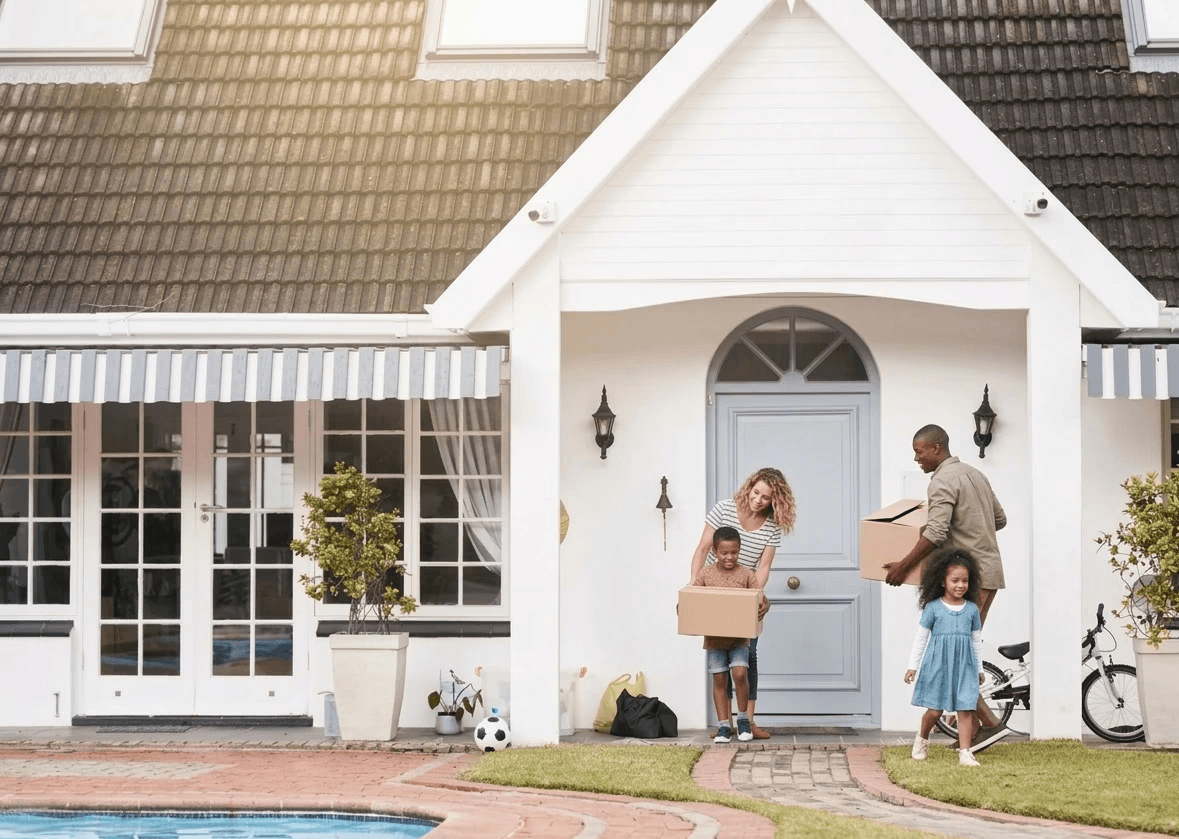
Find your home.
Get up to 2% back.
Search homes, schedule tours, make smarter offers, and get thousands back at closing with Homa
Find your home.
Get up to 2% back.
Search homes, schedule tours, make smarter offers, and get thousands back at closing with Homa
9. Daytona Beach
Median home price: around $280,000
Daytona Beach is the big tourism town on the northeast coast. That tourism economy keeps a lot of local jobs, and the transient nature of the area keeps home prices more reasonable than other beachfront towns.
Three-bedrooms run $260,000 to $310,000. Rental property is a big business here if you want an investment angle. Schools are average, crime varies dramatically by neighborhood. Do your homework on the specific area.
If you want a beach town with Florida weather and don't mind the Bike Week, Speedway crowds several times a year, Daytona's one of the cheaper entry points.
10. Tallahassee
Median home price: around $255,000
Florida's capital is underrated. You get the government and university (FSU, FAMU) anchoring a stable economy, genuine hills (Florida has hills here), and home prices that are lower than almost any comparable metro.
Three-bedrooms in good neighborhoods: $230,000 to $290,000. The job market is narrow but stable: state government, universities, healthcare. Summers are brutal, winters are pleasant.
No beach (about 90 minutes to the Gulf). If that's a dealbreaker, scratch Tallahassee off the list.
11. Spring Hill
Median home price: around $295,000
Spring Hill is north of Tampa, on the Gulf side. It's been a retirement area historically but has been shifting younger. Home prices are a bit lower than other Tampa Bay suburbs, and you're still within an hour of Tampa proper.
You can find three-bedrooms for $270,000 to $320,000. New developments are popping up everywhere. The school system is in the middle of the road. Not much downtown life, but it's quieter than Tampa proper.
12. Kissimmee
Median home price: around $310,000
Kissimmee is just south of Orlando, right near Disney World. The tourism economy makes it feel like a gateway town, but you can find actual neighborhoods away from the tourist strips. Prices are lower than Orlando proper.
Three-bedrooms run $290,000 to $350,000. New construction is plentiful. The job market leans heavily on tourism and service industries. Schools are a mix.
If you work at Disney or anywhere in the Orlando area and want cheaper housing than in the city itself, Kissimmee makes sense.
Cost of living in Florida: what you need to know
Florida's cost of living is complicated. Some things are much cheaper than the national average. Other things are much more expensive.
Cheaper:
No state income tax (saves most households $3,000 to $10,000+ per year)
Groceries (slightly below national average)
Gas and transportation
Utilities in milder parts of the state
More expensive:
Homeowners insurance (often 2 to 4x the national average, especially after recent hurricanes)
Property insurance for condos (HOA fees can be brutal in coastal areas)
Auto insurance (Florida has some of the highest rates in the country)
That homeowners insurance piece is critical. A house in South Florida that costs $450,000 might come with $8,000 to $15,000 a year in insurance. A similar house in Pensacola or Jacksonville might cost $2,500 to $5,000. Run the full number before you commit.
What about property taxes?
Florida property tax rates run around 0.8 to 1.1 percent of assessed value. That's roughly the national average. Homestead exemption knocks $50,000 off your assessed value once you establish residency, and the Save Our Homes cap limits how much your assessed value can rise each year once you have homestead (capped at 3 percent or inflation, whichever is less).
Translation: your property tax bill stays relatively flat even as home values rise. Over years, this is a massive savings. It's one of the best property tax systems in the country for long-term homeowners.
Which cities is Homa operating in?
Home is active across Florida, including all of the cities above. Whether you're looking at a $250,000 starter home in Ocala or a $400,000 waterfront house in Cape Coral, the Homa model works the same way: a flat 1% fee at closing instead of the traditional 2.5 to 3% buyer's agent commission. The savings can be applied as a credit toward your closing costs or used toward a mortgage rate buydown that helps lower your monthly payment significantly.
Buyers in Florida's affordable cities benefit most from this model. On a $300,000 home, a traditional 3% agent commission runs about $9,000. With Homa's 1% fee, you'd pay just $3,000 and get roughly $6,000 credited back at closing. That difference matters even more when you're working with a smaller budget to begin with.
Final take
The most affordable places to live in Florida aren't hidden. They're just overlooked by transplants fixated on Miami and Tampa. If you're flexible on location, you can find great weather, no income tax, and a home you can actually afford in places like Ocala, Jacksonville, Pensacola, or Lakeland.
Do your insurance homework. Check hurricane history. Visit before you buy. And when you're ready to make an offer, skip the 3 percent commission. There are better ways to spend $10,000 than handing it to a traditional agent for work you could get done better and cheaper.
9. Daytona Beach
Median home price: around $280,000
Daytona Beach is the big tourism town on the northeast coast. That tourism economy keeps a lot of local jobs, and the transient nature of the area keeps home prices more reasonable than other beachfront towns.
Three-bedrooms run $260,000 to $310,000. Rental property is a big business here if you want an investment angle. Schools are average, crime varies dramatically by neighborhood. Do your homework on the specific area.
If you want a beach town with Florida weather and don't mind the Bike Week, Speedway crowds several times a year, Daytona's one of the cheaper entry points.
10. Tallahassee
Median home price: around $255,000
Florida's capital is underrated. You get the government and university (FSU, FAMU) anchoring a stable economy, genuine hills (Florida has hills here), and home prices that are lower than almost any comparable metro.
Three-bedrooms in good neighborhoods: $230,000 to $290,000. The job market is narrow but stable: state government, universities, healthcare. Summers are brutal, winters are pleasant.
No beach (about 90 minutes to the Gulf). If that's a dealbreaker, scratch Tallahassee off the list.
11. Spring Hill
Median home price: around $295,000
Spring Hill is north of Tampa, on the Gulf side. It's been a retirement area historically but has been shifting younger. Home prices are a bit lower than other Tampa Bay suburbs, and you're still within an hour of Tampa proper.
You can find three-bedrooms for $270,000 to $320,000. New developments are popping up everywhere. The school system is in the middle of the road. Not much downtown life, but it's quieter than Tampa proper.
12. Kissimmee
Median home price: around $310,000
Kissimmee is just south of Orlando, right near Disney World. The tourism economy makes it feel like a gateway town, but you can find actual neighborhoods away from the tourist strips. Prices are lower than Orlando proper.
Three-bedrooms run $290,000 to $350,000. New construction is plentiful. The job market leans heavily on tourism and service industries. Schools are a mix.
If you work at Disney or anywhere in the Orlando area and want cheaper housing than in the city itself, Kissimmee makes sense.
Cost of living in Florida: what you need to know
Florida's cost of living is complicated. Some things are much cheaper than the national average. Other things are much more expensive.
Cheaper:
No state income tax (saves most households $3,000 to $10,000+ per year)
Groceries (slightly below national average)
Gas and transportation
Utilities in milder parts of the state
More expensive:
Homeowners insurance (often 2 to 4x the national average, especially after recent hurricanes)
Property insurance for condos (HOA fees can be brutal in coastal areas)
Auto insurance (Florida has some of the highest rates in the country)
That homeowners insurance piece is critical. A house in South Florida that costs $450,000 might come with $8,000 to $15,000 a year in insurance. A similar house in Pensacola or Jacksonville might cost $2,500 to $5,000. Run the full number before you commit.
What about property taxes?
Florida property tax rates run around 0.8 to 1.1 percent of assessed value. That's roughly the national average. Homestead exemption knocks $50,000 off your assessed value once you establish residency, and the Save Our Homes cap limits how much your assessed value can rise each year once you have homestead (capped at 3 percent or inflation, whichever is less).
Translation: your property tax bill stays relatively flat even as home values rise. Over years, this is a massive savings. It's one of the best property tax systems in the country for long-term homeowners.
Which cities is Homa operating in?
Home is active across Florida, including all of the cities above. Whether you're looking at a $250,000 starter home in Ocala or a $400,000 waterfront house in Cape Coral, the Homa model works the same way: a flat 1% fee at closing instead of the traditional 2.5 to 3% buyer's agent commission. The savings can be applied as a credit toward your closing costs or used toward a mortgage rate buydown that helps lower your monthly payment significantly.
Buyers in Florida's affordable cities benefit most from this model. On a $300,000 home, a traditional 3% agent commission runs about $9,000. With Homa's 1% fee, you'd pay just $3,000 and get roughly $6,000 credited back at closing. That difference matters even more when you're working with a smaller budget to begin with.
Final take
The most affordable places to live in Florida aren't hidden. They're just overlooked by transplants fixated on Miami and Tampa. If you're flexible on location, you can find great weather, no income tax, and a home you can actually afford in places like Ocala, Jacksonville, Pensacola, or Lakeland.
Do your insurance homework. Check hurricane history. Visit before you buy. And when you're ready to make an offer, skip the 3 percent commission. There are better ways to spend $10,000 than handing it to a traditional agent for work you could get done better and cheaper.